Costs and operations
Lifetime SaaS Deals: What Business Owners Still Need to Budget For
Understand lifetime SaaS deals, distinguish a software license from hosting and calculate the recurring costs that remain after purchase.
Lifetime SaaS deals can reduce repeated software-license payments, but the word lifetime does not answer every operating question. Read what is covered, whose lifetime is meant in the terms and which services are outside the purchase. For a self-hosted resume platform, a one-time license still sits inside an ongoing website business.
Identify what you are actually buying
A lifetime software deal might cover application access, updates or a particular license entitlement. It may not include hosting, third-party usage, migration work or personal setup. Use the published terms rather than assumptions from a promotional headline.
| Cost or entitlement | Question to ask |
|---|---|
| Plugin license | Which website and features does it cover? |
| Updates and support | What duration and scope are stated? |
| Hosting and domain | Are they supplied or paid separately? |
| AI or external services | Does usage create separate charges? |
| Customer service | Who supports the end users of your business? |
Compare costs over a common period
When comparing a SaaS lifetime license with a yearly option, use the same intended feature set and time horizon. Separate the license difference from costs you would pay under either option.
For example, if a website needs hosting regardless of license type, do not count the hosting bill only against the yearly plan. Likewise, a higher plan may include a design tool you need; comparing its price with a lower plan that lacks the requirement is not a like-for-like decision.
Keep a recurring-cost reserve
Self hosted software costs can include hosting, domain renewal, email delivery, backups, AI usage, payment processing and maintenance time. Record the renewal date and expected amount for each provider.
A one-time purchase can make the application license easier to budget, but it does not remove the need for cash to operate the service. Keep a reserve before using every available dollar on a promotion.
Read limits before expanding
- Number of websites or activations
- Feature and plan restrictions
- Usage allowances or external provider requirements
- Whether licenses can be transferred
- What updates and support include
- Refund and cancellation conditions
If an agency wants separate sites for multiple clients, confirm the license count first. A lifetime term does not automatically mean unlimited websites.
Choose for the workflow you will operate
A deal is useful if it covers a real requirement at a cost you can sustain. Watch the product demo, write a requirements list and test the intended customer journey where a demo permits it.
Do not buy a larger bundle solely because the percentage reduction looks attractive. If you will not use the extra tools, a smaller plan or a delayed purchase may be the clearer business decision.
THE PRODUCT IN THIS GUIDE
Where WP CV Builder fits
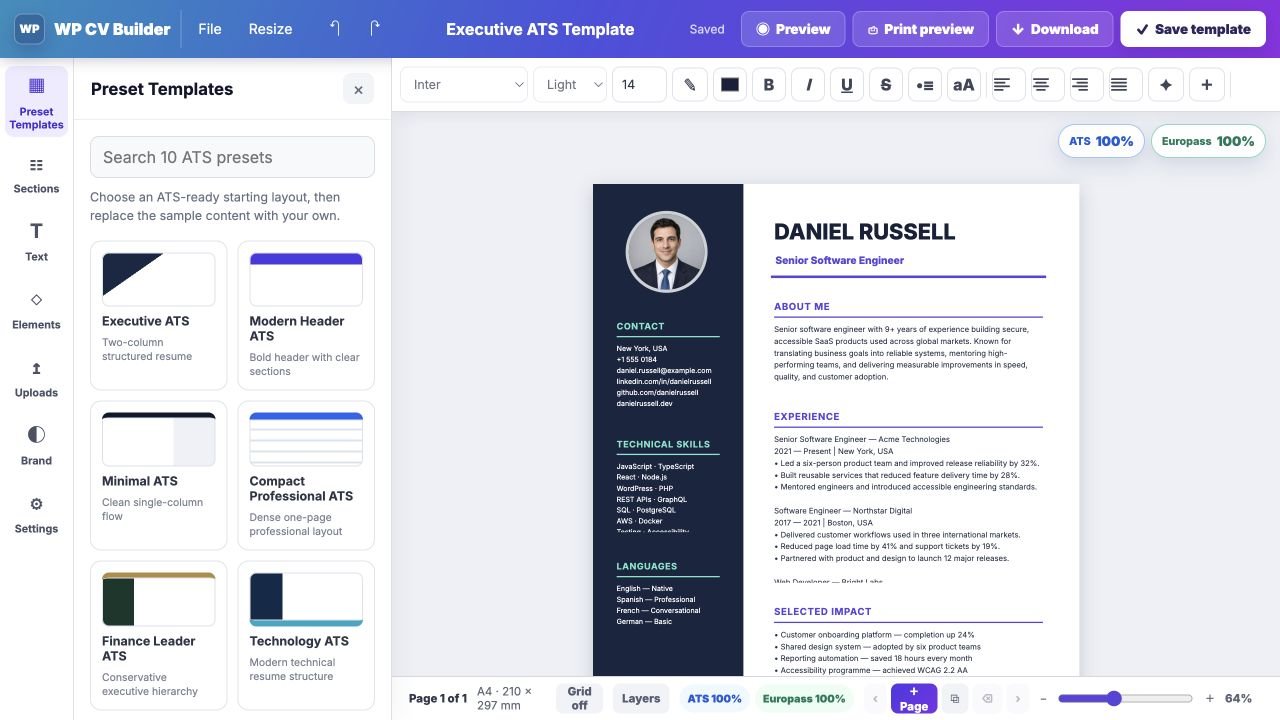
WP CV Builder offers yearly and lifetime Pro license options, with a separate Template Builder Lifetime plan that adds the admin preset-design tool. The published plans cover one website each. Hosting, domain and connected-service costs are separate; consult the current pricing and terms for the exact update, support and renewal conditions.
Common questions
Does lifetime mean unlimited websites?
No. The term length and website allowance are separate. The current WP CV Builder Pro comparison lists one website per license.
Can a lifetime license remove my AI provider bill?
No. If the configured AI provider charges for usage, that cost remains separate from the plugin license.
Product information: current features, plan comparison and documentation. This guide is published by the WP CV Builder product team. Examples and calculations are illustrative unless stated otherwise.